
Essential nursing skills for veterinary nurses & technicians
Essential nursing skills for veterinary nurses & technicians
Meet the speakers
Ashley Wemple
Registered Veterinary NurseAshley grew up in a small town in rural North Carolina. From there she moved to a slightly bigger part of the state to go to university at North Carolina State University in Raleigh, NC where I studied animal science and obtained a bachelors degree in that field in 2003. While studying, I started working nights at an ECC veterinary hospital and I developed a passion for ECC nursing and teaching. I moved to the UK in 2008 to take a job as an ECC nurse at Vets Now Gateshead and have been there ever since (currently as Principal Nurse Manager). I earned my CertVNECC in 2010 and continue to tutor for that program, as well as other teaching and mentoring for IVC, Vets Now and the veterinary thought exchange.
Janette Bailey-Woods
Registered Veterinary NurseJanette qualified as an RVN in 2001 and worked in a mixed animal practice in Cumbria for 15 years. In 2013, Janette moved to work in an orthopaedic referral hospital before moving to Wear Referrals, a multi-discipline referral hospital in 2015, where she now works within the anaesthesia team as lead anaesthesia nurse. Janette has gained the NCert ECC and NCert Anaesthesia qualification, and in 2021 achieved the Veterinary Technician Specialist (VTS) in Anaesthesia and Analgesia, a prestigious credential awarded by the Academy of Veterinary Technicians in Anaesthesia and Analgesia and held by only a handful of veterinary nurses in the UK.
Out of work, Janette has two dogs, Hector and Goose, she is an outdoor enthusiast, spending time in the forest where she lives, walking up mountains or being on 'Precilla' her much loved mountain bike!
Jon Hall
Soft Tissue Surgery SpecialistJon was born into primary care practice and spent several years working as a small animal GP after graduating in 2004. He became an ECVS specialist in small animal surgery in 2015 and has worked at the RVC, the University of Cambridge and University of Edinburgh. He is a Professor in small animal surgery at the University of Nottingham, a Fellow of the Royal College and a Senior Fellow of the Higher Education Academy. He loves a good bit of surgery and being in a lucky position to help out colleagues with their surgical conundrums and through teaching. Jon has worked on call for his whole career and spent a few months working in a dedicated emergency clinic. He has been a lecturer and examiner on the BSAVA CertECC and helps train Vets Now graduates on practical approaches to emergency surgeries. These experiences mean that he can empathise with colleagues working sole charge OOH and those having to fit in emergencies either in their busy daily routine or through the night with work the following morning! Experiences that encourage a certain pragmatism.
Scott Kilpatrick
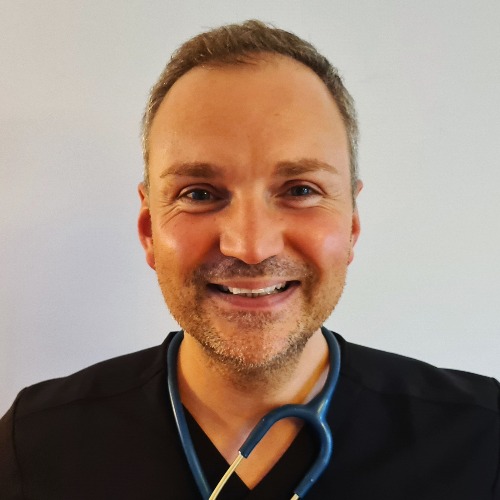
Director, Internal MedicineScott graduated from Edinburgh Vet School in 2007. Initially, he worked for the PDSA, before taking a Senior Veterinary Surgeon position with Vets Now in Edinburgh in 2010. Scott started his residency in internal medicine at the University of Edinburgh in 2012 after completing a year as a Teaching Fellow in Anatomy and Physiology.
He completed his residency in 2016 after finishing his Masters in the pathogenesis of canine liver disease and has since been working in referral practice. Interventional radiology is something that really interests Scott, and he spent some time in 2018, working in this area at UC Davis in California. Scott has created and delivered a Post-graduate Certificate in Small Animal Emergency Medicine in association with the University of Chester. In 2023 he was awarded Fellow of the Royal College of Veterinary Surgeons (FRCVS) for his meritorious contribution to clinical practice.

Wendy Irvine
Registered Veterinary NurseWendy started off training and working in a mixed practice in Midhurst, West Sussex and qualified as a veterinary nurse in 2000. Wendy then became keen to pursue additional qualifications with an Honours degree in Zoology and a Masters in Applied Animal Behaviour and Welfare.
She has experience working as a keeper in a number of zoos and returned to vet nursing at the Royal (Dick) School of Veterinary Studies, where she spent 9 years as the dedicated exotics and wildlife vet nurse. During this time Wendy had the opportunity to be involved in vet and nurse student teaching and developed her passion for nursing exotic pets and their welfare needs. She has lectured at various veterinary conferences, contributed towards two BSAVA manuals, and other veterinary publications, and in 2019 organised and ran the nursing stream at the International Conference on Avian Herpetological and Exotic Animal Medicine (iCARE) in London. Wendy started her new role as Marwell Zoo’s RVN in 2015, and enjoys adapting what she has learnt to a wide variety of species, and contributing to the vet teams’ commitment to welfare and conservation.

Hayley Walters
Registered Veterinary NurseHayley qualified as a veterinary nurse in 1999. She spent 7 years in mixed animal practice in Derbyshire before relocating to China in 2006 to work for ‘Animals Asia’ with bears rescued from the bile farming industry and dogs rescued from the illegal dog meat trade. In 2012 she moved to Edinburgh to be the Welfare and Anaesthesia VN for The Jeanne Marchig International Centre for Animal Welfare Education at the University of Edinburgh. Hayley was part of The Royal (Dick) School of Veterinary Studies teaching hospital’s anaesthesia team but also taught nursing and clinical skills to veterinary students in developing countries.
In 2019 Hayley moved to Nottingham to work in small animal first opinion, and emergency care. She still works remotely for the University of Edinburgh creating a veterinary nurse online skills resource to help student veterinary nurses training in developing countries.
Hayley received an MBE from the Queen in 2018 for Services to Veterinary Education and Animal Welfare.
Fiona Marjoram
Registered Veterinary NurseFi Marjoram began nursing in 1987 and qualified as a VN in 1989. She worked in veterinary practice for 13 years, during the last year of which she also worked as a veterinary nursing and animal care lecturer at the West Sussex College of Agriculture. Having achieved her first qualification in small animal nutrition in 1991, Fi moved into her first nutritional sales role in 2000 and joined Hill’s in 2005. Her current role as Nurse Programme Coordinator focuses primarily upon the support and development of veterinary nurses within practice.

Laura Jones
Registered Veterinary NurseLaura Jones qualified as a veterinary nurse in 2010, gained the DipAVN in 2014 and completed a degree in advanced veterinary nursing in 2017. Laura joined a newly-opened referral centre in Hampshire in 2015, to support and develop the Internal Medicine service. Here, her passion for medical nursing grew, leading to Veterinary Technician Specialist certification in small animal internal medicine in 2019. That same year, Laura developed a social media page and website, "Veterinary Internal Medicine Nursing', to educate and inspire nurses wanting to learn about medical patients, and speaks nationally on a variety of medical nursing topics.
Laura currently works at The Ralph Referral Centre, where she nurses both high-dependency and medical patients, whilst leading the team of internal medicine nurses.
Carl Bradbrook
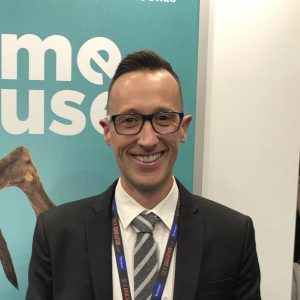
Anaesthesia SpecialistCarl graduated from the University of Liverpool and after a few fun years in mixed practice undertook a residency in anaesthesia and intensive care at The Royal Veterinary College and Davies Veterinary Specialists. He has worked in several private and university referral centres, as well as an independent anaesthesia consultant. He co-founded Zero Pain Philosophy, aiming to ensure pain is identified and treated appropriately in our companion animal patients. He moved to Anderson Moores Veterinary Specialists in October 2018 to join the anaesthesia team and is an RCVS and an EBVS European Specialist in Veterinary Anaesthesia and Analgesia.
Mairi Frame
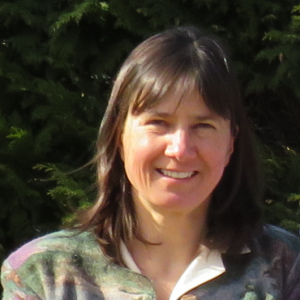
Diagnotic Imaging SpecialistMairi is an RCVS and ECVDI Diplomate who came to imaging literally by accident, having taken a year out from general practice to study for an RCVS Certificate in radiology after a back injury and in doing so found her passion. After her residency, she worked in all aspects of veterinary diagnostic imaging at specialist centres in Switzerland, Austria, Sweden and the Republic of Ireland, returning to the UK in 2001 to develop a multimodality imaging service, undergraduate course and residency program in Diagnostic Imaging at the Royal (Dick) Veterinary School in Edinburgh, where she continued to work for 15 years. Mairi gained postgraduate Certificates in University Teaching and Digital Education with a view to developing new approaches for teaching diagnostic imaging online. She is currently working in specialist referral centres in Glasgow and Switzerland.
Overview
This course is an introductory approach to nursing skills, tips and tricks that experienced RVNs can share with you to support you as you transition into your new role or return to your veterinary career, following some time away from the profession.
This veterinary thought exchange online tutored course takes a different approach towards supporting both the newly qualified and those Registered Veterinary Nurses (RVNs) returning to practice. This course would also appropriate for anyone working in a support role within veterinary practice (Animal Care Assistants). This course has been carefully created to provide a completely holistic approach to CPD for RVNs. The course is also underpinned by a real-time discussion forum where you can ask any of your nursing questions while you are working your way through the lessons.
There are a variety of amazing speakers on this course from across the veterinary profession, including Carl Bradbrook (Zeropain Philosophy – Anaesthesia), Laura Jones (Nursing Clinics), Fiona Marjoram (Hills Pet Nutrition UK), Jon Hall (Bandaging & wounds), Ashley Wemple (ECC), Mairi Frame (Diagnostic Imaging), Hayley Walters (Pain recognition and management) Wendy Irvine (Exotics), Janette Bailey-Woods (Anaesthesia) and Scott Kilpatrick (Laboratory 101).
This course will take approximately 15 hours to complete and will provide you with a completion certificate for 17 hours CPD at the end of the course.
(Access to this course is for 12 months from the course going live on our website and you can still join the course after course start date. The forum is monitored for the course duration only).
Lessons
Lesson 1: Emergency & Critical Care… (Part 1)
- The benefits of active triage
- How to effectively triage
- How to best educate and utilize every member of the team in the triage process
- Our responsibility and how to provide guidance within our role as RVN in emergency situations
- Identify common emergency cases
Lesson 2: Emergency & Critical Care… (Part 2)
- How to identify and manage emergency cases from Part 1
- Importance of effective analgesia
- RECOVER guidelines and BLS
- How to stay calm during CPR
Lesson 3: Pain... How to recognise, measure and manage it
- Recognise the body language cats and dogs display when in pain
- Understand how to objectively give pain a score and when to give more analgesia
- Recognise the importance of multimodal analgesia and which drugs can be used
Lesson 4: Anaesthesia... What is happening to my patient & what does it mean?
- Review the basics of anaesthesia and common drug combinations.
- Trouble shooting anaesthesia, let’s logically work-through what is happening, why it is happening and how to correct issues with our patients.
- Review common drug choice/ combinations and doses of anaesthetic drugs/agents.
Lesson 5: Pulse Oximetry: More than just a Percentage!
- Learn the benefits of using pulse oximetry in your anaesthetized patients
- Understand what information the pulse oximeter is providing us with and how this affects our patients
- Recap respiratory physiology
- Understand common causes of hypoxia and hypoxaemia and how to minimise the risks
Lesson 6: Capnography: Riding the Waves!
- Learn what capnography is and how this can be used safely and effectively with your patients
- What do all the waves mean and how does this change what I do?
- Identify abnormalities and understand why they happen and how to address them successfully
Lesson 7: Arterial Blood Pressure: Feeling the Pressure!
- Learn about cardiovascular physiology and why we monitor blood pressure
- Identify how to measure blood pressure successfully
- Understand causes of hypotension and how to treat this in anaesthestized patients
Lesson 8: Nutrition in Practice... Nutritional requirements for cats and dogs
- Learn about the fundamental nutritional needs and differences between dogs & cats.
- Identify the nutritional groups and functions of each group
- Learn how to compare the nutritional content of wet vs dry foods
- Understand how to calculate the caloric requirements for your patients
Lesson 9: Nutrition in Practice... Approach to Clinical Nutritional Management
- Nutritional management for ‘Feline Lower Urinary Tract Disease’
- Nutritional management for ‘Chronic Kidney Disease’
- Nutritional management of ‘Obesity’
- Nutritional management for ‘Gastrointestinal Disease’
Lesson 10: Responding to commonly encountered exotic pet emergencies
- Support vet professionals with the tools and confidence to address emergencies seen in commonly kept exotic pets
- Provide useful tips on planning, prioritisation and developing preparatory resources
- Encourage a sensitive, yet rapid, approach to exotic species exhibiting signs of distress
Lesson 11: Laboratory 101... Why do we do that test and what will it tell us?
- Understand different laboratory tests, what they mean and why we do them.
- Apply the different test results into your nursing care for your patients.
- Understand why your vet has asked for specific tests and what that means to you.
Lesson 12: Diagnostic Imaging... Positioning, Positioning, Positioning
- Learn about the different positioning requirements used in general practice.
- Troubleshooting - when the patient doesn’t follow the rules (e.g. large breeds)
- Understand basic radiography interpretation (e.g. fractures, obstructions, GDVs)
Lesson 13: Bandaging and Wounds
- Understand how a wound heals and recognise the phase of wound healing in the animals you are treating
- Select an appropriate dressing for the wound to help progress healing
- Recognise the complications of bandages and how to try and avoid them
- Think of ways to keep the dressings in place using a bandage
Lesson 14: Nursing Clinics... You have to be in it, to win it!
- Be confident in planning and running a variety of clinics for your practice.
- How to build rapport with your clients to ensure positive outcomes.
- Understand the value of nurse clinics and why they are important to the practice.
Lesson 15: Let's talk behaviour an 2nd vaccination
- Understand what natural dog behaviour is
- Understand what natural cat behaviour is
- Recognise the communication and body language that often precedes a dog bite – it is not about dominance!
- Recognise the 5 most important behaviour points to discuss in a 2nd vac appointment
- Be able to advise owners on how understanding the behavioural needs, and how to provide these, at the beginning of their pet’s life will lead to cats and dogs well set up to thrive (and not just survive) in a human centred world
Become a member
Access to one course per year is included with all membership packages.
Already a member?
Login to access