
Do Mouth Gags Belong in the Bin? Rethinking Oral Gags in Feline Anaesthesia
Post-Anaesthetic Blindness in Cats: What’s the Connection?
Rarely, cats may experience acute blindness following general anaesthesia. In some cases, this may be due to ocular pathology, but more often the cause is central, related to the brain and nervous system. And in the post-anaesthesia setting, one culprit stands out: hypoxia.
A 2013 Veterinary Journal article reviewed 20 cases of feline cortical blindness following general anaesthesia. In three of those cases, the cats had suffered a cardiac arrest during the procedure, an obvious cause for CNS hypoxia. But in the remaining 17 cats, no anaesthetic complications were documented in the records. However, a consistent detail stood out: a mouth gag had been used in 16 of the 20 cases. Vet J. 2014 May;200(2):191-5.
Understanding the Anatomy
Why does this matter? In cats, the maxillary arteries supply blood to both the retina and brain. These arteries run between the angular process of the mandible and the tympanic bulla. When the mouth is held open, particularly during procedures requiring full mouth extension, there is compression of these vessels, reducing blood flow and potentially resulting in retinal and cerebral ischaemia.
Even makeshift gags can be problematic. One study using magnetic resonance angiography (MRA) and electroretinography (ERG) demonstrated that blood flow was compromised in cats anesthetized with a homemade needle-cap gag just 42 mm in length. Vet Radiol Ultrasound. 2012 Mar-Apr;53(2):154-9.
A Better Option?
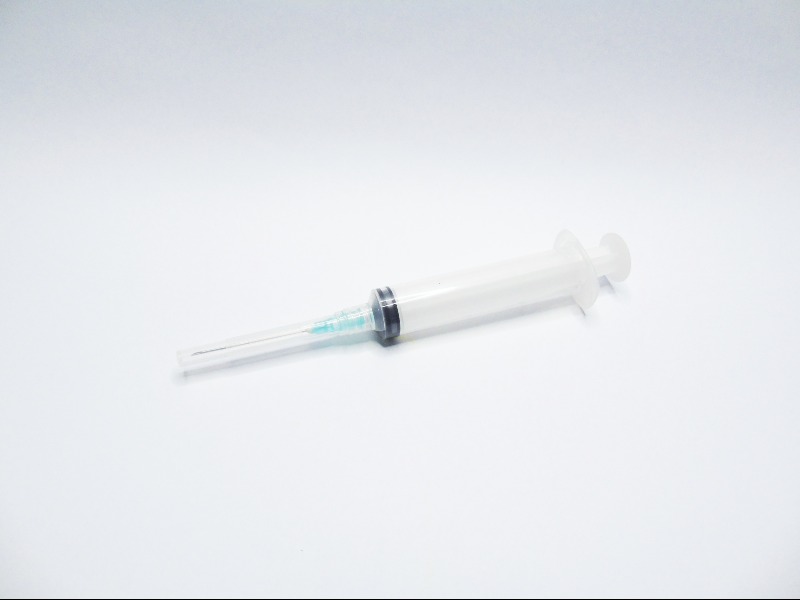
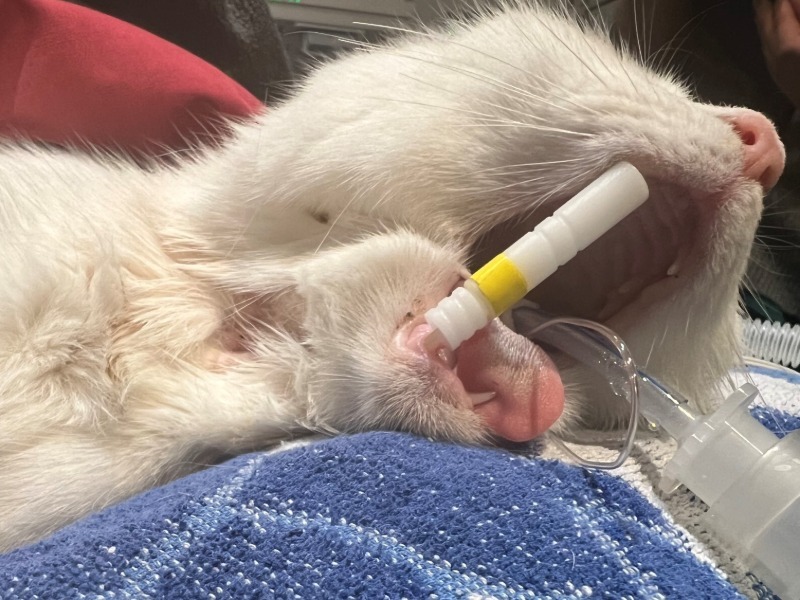
This brings us back to our procedure this week. We opted to remove the original gag and replace it with a cut-down needle cap, just enough to prevent the mouth from closing on the scope. This tiny change still achieved the goal, maintaining access, without excessive opening of the jaw.
Veterinary nurse Nikki McLeod summed it up perfectly:
"Mouth gags should be thrown in the bin, just like cat muzzles! As someone with TMJ issues myself, I know how painful prolonged mouth opening can be."
And she’s right. We need to be kinder to our feline patients by understanding the implications of tools that seem small but can cause real harm.
What’s the Best Practice?
Current recommendations are clear:
- Avoid mouth gags in cats whenever possible.
- If absolutely required, minimize the degree of opening and release the gag regularly during procedures.
- Consider short, lightweight alternatives like trimmed needle caps that don’t exert significant pressure.
- Stay alert for post-operative signs of blindness or disorientation, and document gag use in anaesthetic records.
What’s Your Protocol?
Do you use mouth gags in cats? Have you changed your approach based on this evidence? Let’s continue this conversation and advocate for practices that prioritize safety over tradition.
Dr. Scott Kilpatrick BSc BVM&S MSc DipECVIM-CA FRCVS
EBVS® European & RCVS Specialist in Internal Medicine, Director, Veterinary Thought Exchange

Comments
You need to be logged in to view and / or leave comments.
Login